


Cannabis, a modern agricultural crop

When people think of cannabis, the collective imagination often focuses only on its uses or the debates surrounding it. Yet, before it becomes a product, cannabis is a living plant, subject to the same agricultural demands as wheat, corn, or tomatoes. Looking at cannabis through the lens of agriculture helps us better understand its nature, while also contributing to breaking down the stigmas that still persist today.
Cannabis, a plant in its own right
Cannabis is a plant that has been cultivated by humans for millennia. Historically used for its fibers, seeds, and industrial properties, it is one of the oldest known agricultural plants.
Today, this tradition continues on our modern farms. At Origine Nature, behind every cannabis flower, there are people teams of horticulturists and growers working around the clock. The plant sets the pace, observation is constant, precision is essential, and responsibility is real. Cultivating cannabis means cultivating with rigor and in harmony with the plant’s natural cycle.
Indoor cultivation
Cannabis is grown indoors, in a fully controlled and enclosed environment. Every day, according to the characteristics of each strain, we adjust the light and humidity, prune the plants, monitor their size, and protect them from pests. Every factor that can influence growth is carefully managed to recreate optimal conditions, shielded from the uncertainties of the weather.
This type of agriculture applies as much to fruits and vegetables as it does to specialized crops like cannabis.
Different rules, the same agricultural reality
In Quebec, cannabis has established itself as a genuine agricultural crop. The UPA (Union des producteurs agricoles) recognizes it as a well-established sector, integrated into the agri-food economy since its legalization in 2018.
In 2024, cannabis cultivation generated 337 million dollars in agricultural revenue, ranking fifth after corn, soy, maple products, and field-grown vegetables. These figures not only reflect economic performance but also attest to cannabis’s tangible presence in Quebec’s agricultural landscape.
Strict regulations
Although cannabis is now recognized as a fully-fledged agricultural crop, it remains subject to strict regulatory requirements, overseen by Health Canada to ensure the quality, traceability, and safety of the products. Inspectors monitor facility compliance, review internal documents and procedures, observe the production process, and conduct tests on plants and finished products to ensure that every step meets established standards.
At Origine Nature, these regulations guide every action and decision, ensuring a product that is safe, reliable, and true to our expertise.
Environmental challenges
In terms of the environment, legal cannabis cultivation in Quebec is subject to strict standards. Producers must meet high requirements, just like other regulated agricultural sectors. Efforts focus on optimizing resources, reducing environmental impact, promoting local expertise, and ensuring transparency in farming practices. In practical terms, this includes using recyclable packaging, composting stems, leaves, and roots, adopting more efficient LED lighting, implementing specialized irrigation systems to reduce water consumption, and more.
This approach helps normalize cannabis as a responsible agricultural crop, fully integrated into Quebec’s agri-food ecosystem.
Conclusion
In Quebec, cannabis is a real and modern crop, integrated into today’s farms, facing the same challenges, meeting the same requirements, and contributing economically on a level comparable to other major crops in the province. It is therefore important to shift our perspective and recognize cannabis for what it truly is: a plant cultivated with precise and rigorous agricultural practices.
Your Guide to Choosing at the SQDC
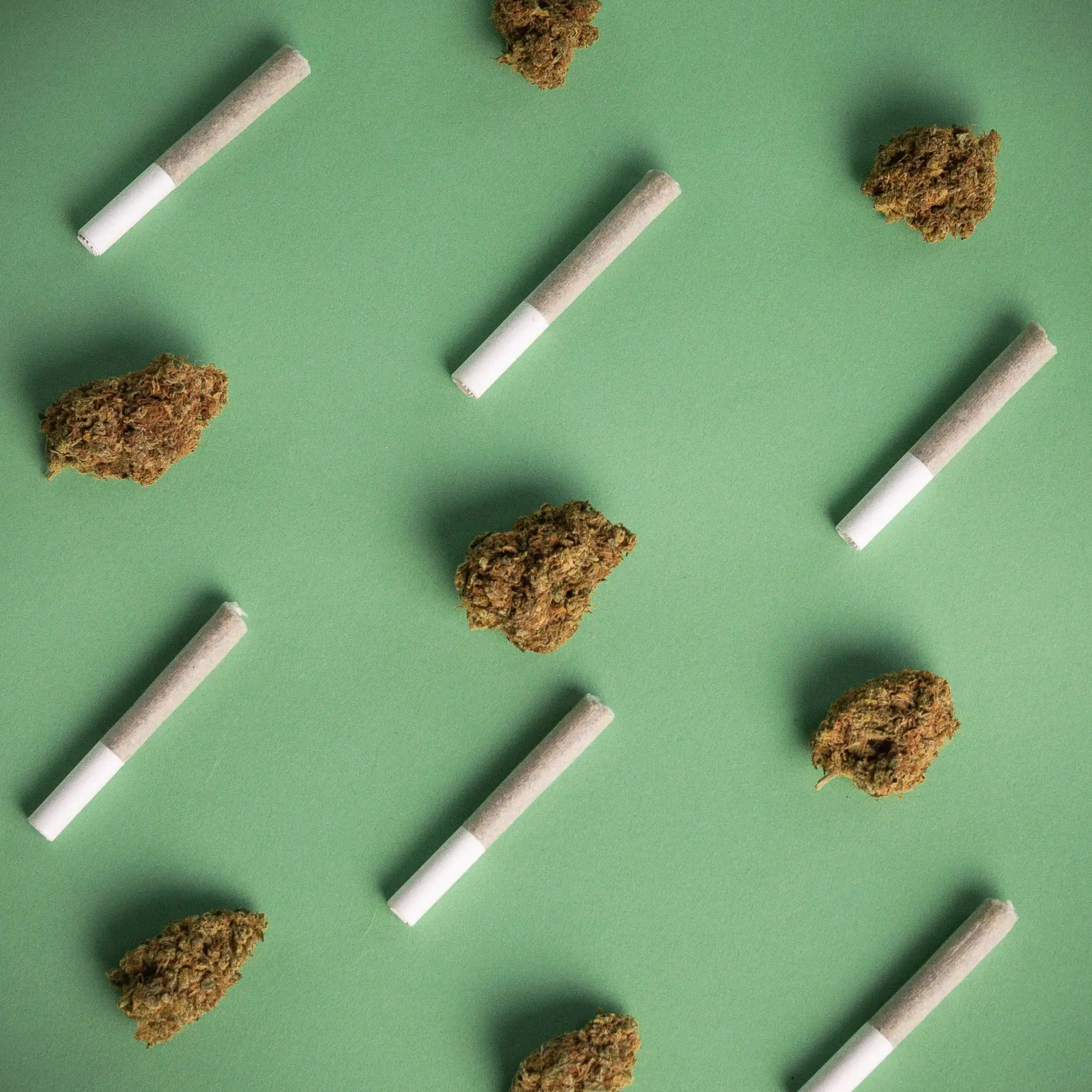
How to choose the right cannabis at the SQDC (Québec)?
Before heading to the SQDC, take a moment to ask yourself these questions:
What effects are you looking for?
Do you want to relax, feel more creative, get better sleep, or simply have a good time? Your intention will help guide your choice—because no, the effects of different cannabis strains aren’t only about THC.
What types of cannabis can you find at the SQDC?
- Indica: often associated with body relaxation and a calming effect.
- Sativa: usually more energizing, with effects felt mostly on the mind.
- Hybrid: a mix of the two, but it can lean more toward one side or the other.
💡 Keep in mind: these categories are general guidelines, but terpenes, along with THC and CBD levels, also play a big role in how the effects are experienced.
What should you know about the differences between THC and CBD?
- THC: the higher the percentage, the stronger the effects. In Canada, the maximum legal THC content is 30%.
- CBD: known for its calming properties on the body, it doesn’t produce psychoactive effects on the brain like THC does. In fact, it can even help balance or reduce THC’s intensity.
What about terpenes?
Terpenes are aromatic compounds naturally found in cannabis. They give each strain its unique smell and flavour.
But that’s not all: some research, including studies highlighted on Buzznation.ca, suggests that terpenes can also influence the overall experience by interacting with cannabinoids like THC and CBD.
This is called the entourage effect—the interaction between terpenes and cannabinoids may help enhance or balance certain effects, such as relaxation, energy, or focus.
In what form do you prefer to consume cannabis?
The SQDC offers a variety of formats, such as pre-rolls, dried flower, and hashish.
Keep in mind that pre-rolls often contain higher levels of THC. Whether you choose pre-rolls or dried flower, moderation is key.
With dried flower, it’s easier to adjust the amount you use and choose the potency based on your tolerance or experience.
Hashish, on the other hand, is a concentrated form of cannabis. It’s more potent than flower and generally recommended for more experienced consumers.
In the end, you now have the key elements to make an informed choice. Just remember that everyone reacts differently. The best way is to go at your own pace, notice how you feel, and adjust along the way.
The Best Cannabis in Quebec: A Journey Through Tradition, Innovation and Quality with Origine Nature
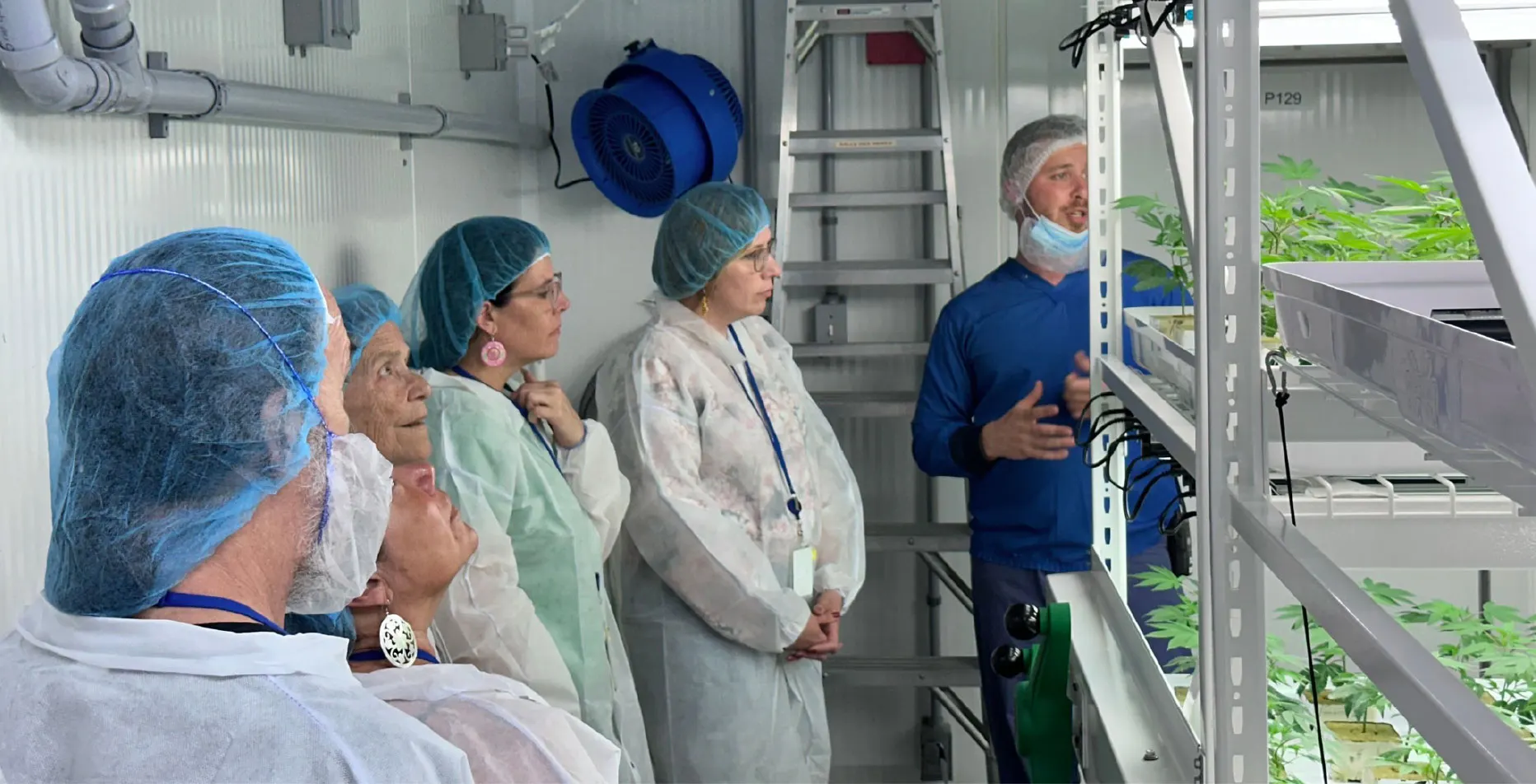
Nestled in the heart of the breathtaking Laurentians, Sainte-Agathe-des-Monts serves as the home for Origine Nature, a beacon of innovation and quality in the Canadian cannabis industry. Founded in 2017, this dynamic company has rapidly risen through the ranks, and in 2022, its Master Grower and VP of Research and Development, Alexandre, was crowned Top Grower of the Year in Canada’s Top Grower Award category by Grow Opportunity. I am thrilled to take you behind the scenes of Origine Nature as we uncover the secrets of cultivating exceptional cannabis—locally grown by Quebecers, for Quebecers.
Check out the full article on page 79 of High! Canada Magazine
Why Choose Bubble Hash?
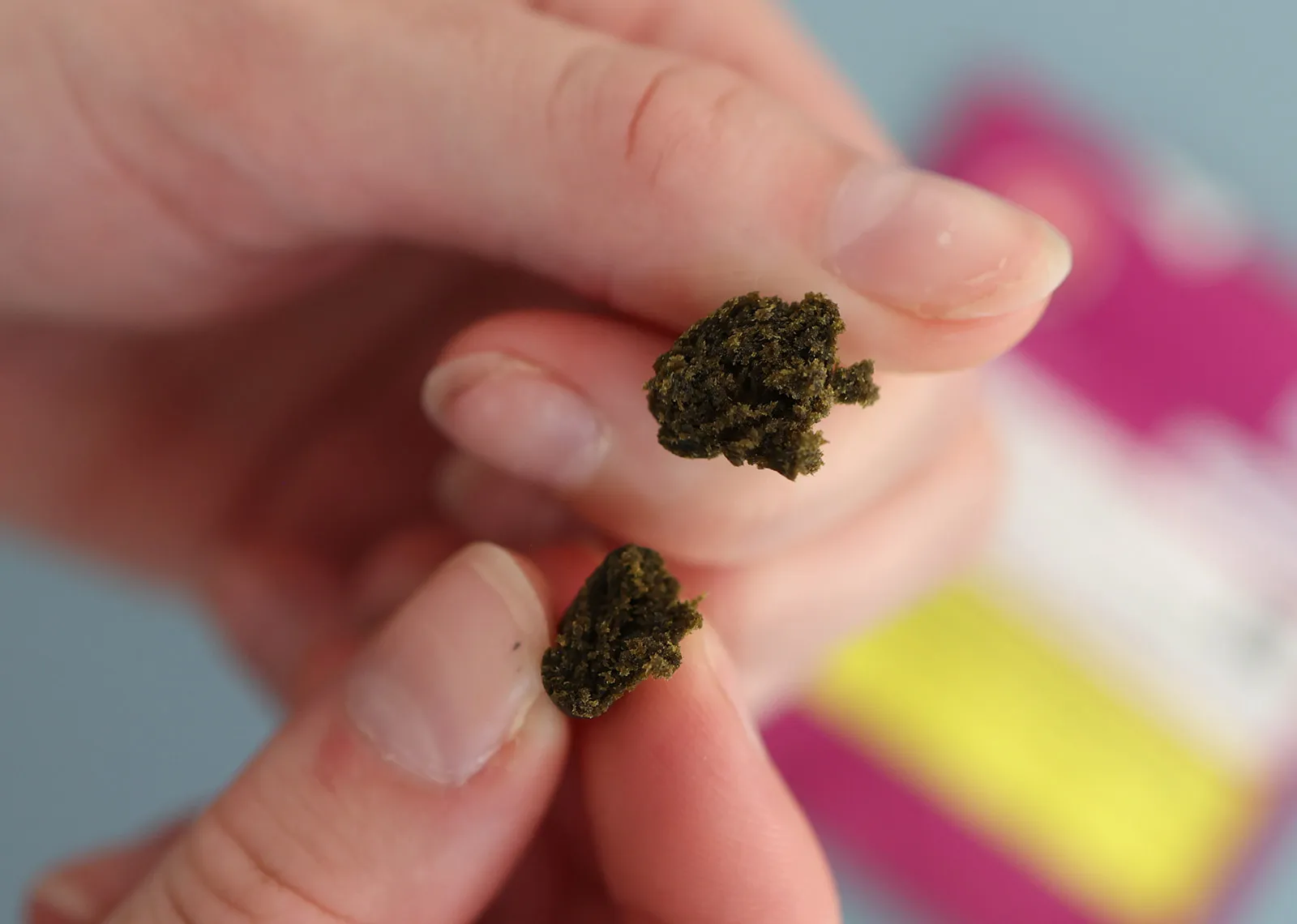
Bubble hash is one of the purest and most artisanal cannabis concentrates. Made without solvents just using ice water it allows the extraction of trichomes from the plant while preserving its natural richness. The result is a product highly concentrated in cannabinoids and terpenes, offering an intense sensory experience that stays true to the strain’s profile. Its aroma is more pronounced, and its effects are more powerful and nuanced. Versatile, it can be smoked, vaporized, or even cooked. It’s the perfect choice for enthusiasts seeking authenticity, purity and true craftsmanship.
How to Recognize Good Bubble Hash?
- Appearance
- Texture: It should be grainy or sandy when cold but become malleable and oily to the touch at room temperature.
- Aroma
- Good bubble hash gives off strong, fresh, and varied aromas (floral, fruity, spicy, earthy, etc.) typical of the variety used.
- A lack of smell or a musty or vegetal odor is a sign of poor quality or improper storage.
- The Bubble Test
- Heat a small amount without a direct flame (e.g., by holding a lighter underneath).
- High-quality bubble hash will bubble vigorously and melt without burning immediately: this is known as “full melt.”
- Few bubbles and lots of residue = lower quality, presence of plant material.
- Purity
- Post-combustion residue should be minimal: good hash melts almost entirely.
- Origin and Process
- Ice water extraction + sifting through various micron-sized screens.
- A good producer will often indicate:
- The micron sizes used
- The strain used
- Whether it’s full melt or not
- The spectrum (THC/CBD/terpenes)
Attache Ta Tuque Gets a Makeover: A Refined Formula Aiming to Be Among the Best Bubble Hash Products in Quebec!
Good news for craft hash lovers! Attache Ta Tuque, from the Fleurs de Lise line, has been revamped based on your feedback. Texture, formulation, consistency: everything has been reviewed to offer a more stable, richer experience that stays true to the plant. At Origine Nature, nothing is left to chance. When something isn’t 100% right, we go back to the lab, tweak, and refine it. The improved formula provides a purer Bubble Hash, still made with the same precision and passion. Here’s a breakdown of what’s new!

What’s changed in the new Attache Ta Tuque formula?
100% Bubble Hash for cannabinoid richness
The new Attache Ta Tuque is made exclusively from Bubble Hash, derived from cultivars rich in THC, CBD, or both. The result? A premium Bubble Hash with more diverse cannabinoid profiles.
A stable texture even above 25°CC
The old formula tended to become sticky and pasty when temperatures exceeded 25°C, affecting both texture and usability. Now, the new formula remains stable up to 35°C, preserving cannabinoids’ integrity while offering a smooth consumption experience free of unwanted residues.
Why is Attache Ta Tuque among Quebec’s best hash products?
Thanks to its reworked formula based on consumer feedback, Attache Ta Tuque meets the expectations of quality-conscious hash enthusiasts. The goal? To rank among the best Bubble Hash products on the market. This is a Quebec-made product with artisanal quality, cultivated in Sainte-Agathe-des-Monts by our team of passionate experts. And as every hash lover knows, that reputation matters.
Where can you find Attache Ta Tuque in 1g and 3g formats?
See our products
Review of the year 2024

Among 9 leaders in the cannabis industry, David Bow and Alexandre Gauthier share their feedback on the year 2024.
Everything you need to know about cannabis consumption habits in Quebec in 2024!

Curious about the current trends and preferences of cannabis consumers? Today, we bring you an up-to-date portrait of the place and role of cannabis among Quebecers!
This article provides a valuable overview of consumer habits. By better understanding consumer motivations and behaviors, Origine Nature aims to provide a personalized experience tailored to each individual’s needs and aspirations.
Enjoy reading!
The portrait, habits and frequency of cannabis use in Quebec
A third of survey respondents (33%) use cannabis, while 67% do not. Among users, 40% consume 1-4 times a year, 17% 1-4 times a month, 14% 1-4 times a week and 29% every day.
Men (38%) are heavier users than women (30%). The proportion of cannabis users decreases with age, with over half of those aged 34 and under using cannabis. On the other hand, users aged 21 to 34 consume slightly less regularly.
Occasional consumers are slightly more prevalent than regular consumers. A large proportion of the latter (40%) consume between 1 and 4 times a year. Among regular consumers, 14% consume between 1 and 4 times a week, and 29% consume every day.
Why do Quebecers use cannabis?
The main reasons for using cannabis are to relax and unwind (84%), and to reduce stress and anxiety (64%). Next comes pain relief (38%).
Regular users mainly consume to reduce stress and relieve pain, while occasional users do so mainly to relax.
It seems that, whatever the age, relaxation is still the most important reason for consuming.
We also observe that pain relief becomes increasingly important with age, becoming the 2e most frequently mentioned reason among those aged 55 and over.
The euphoric and hallucinogenic effects, as well as the stimulation of creativity, diminish with age.
What are the most commonly used cannabis products?
Regular users are more inclined to try new products, particularly edibles (53%) and hashish-infused prerolls (43%). For their part, occasional users also show an interest in edible products (49%).
What are the reasons for choosing a product?
When it comes to choosing a cannabis product, Quebec consumers attach great importance to a number of criteria. For regular users, THC levels are often the primary reason for choice, followed closely by the product’s beneficial effect. In fact, 40% of regular users consider THC levels to be the most important factor, while 34% give priority to the beneficial effect. Price and taste come next, but with less importance.
Occasional users, on the other hand, place greater emphasis on the product’s beneficial effect, with 50% citing this as the main reason for their choice. THC content also remains an important criterion for 32% of occasional users. Price is a determining factor for both groups, although it is slightly more important for regular users.
In short, THC-CBD potency, absence of pesticides and certifications are crucial elements for consumers when choosing a cannabis product.
What are the purchasing habits of Quebec cannabis consumers?
The majority of consumers buy their cannabis at SQDC branches (75% of regulars and 71% of occasional users). Online purchases from the SQDC website are also popular, especially among regular users.
Regular users buy more frequently; 1 in 2 respondents buy cannabis a few times a month. What’s more, average spending per transaction is higher online, with 2 out of 3 regular users spending more than $50.
Where did the information published in this article come from?
In the summer of 2024, Origine Nature commissioned research firm Lanla to draw up a detailed portrait of Quebecers’ cannabis consumption habits. A large-scale web survey was conducted among 5,450 people across the province. The resulting report provides valuable insight into the current trends and preferences of cannabis consumers in Quebec. Thanks to this data, Origine Nature has improved its offering to meet your expectations. Keep following our HUB to make sure you don’t miss out on any of the new products we’ll be announcing this winter!
Did you like this article? Feel free to share it, and stay tuned for more interesting facts about cannabis. We’ve got a lot more to tell you!
Meet Origine Nature’s quality control experts!

Nathalie Dubé, Senior Specialist and Gaston Duplan, Vice President of Quality (QAP).
Ever wonder how the quality of our cannabis is assessed, or what procedures have been implemented to guarantee product quality and safety? Gaston Duplan, Vice President of Quality (QAP), and Nathalie Dubé, Senior Specialist in Quality Assurance and Research & Development, answer our questions and tell us all about Origine Nature’s Quality Control Department.
Enjoy!
Are there any particular requirements that Origine Nature must meet to ensure the safety of its cannabis?
Gaston : Of all the requirements, testing for potential contaminants is by far the most important, as these contaminants can directly impact health. So we have to ensure that all our products on the market are free from micro-organisms, pesticides, aflatoxins* and heavy metals.
Nathalie : Exactly. These are the most important tests we carry out to comply with Health Canada requirements at all times. However, we do many other tests on our products, including THC, CBD and terpenes, which are the main characteristics consumers look for.
Source:
*Aflatoxins are toxins made by moulds (mycotoxins) and fungi that thrive in warm, humid environments.
What are the main benefits of performing quality controls?
Nathalie : These controls enable us to guarantee that Origine Nature products are always of the highest quality!
Tell us more about the types of laboratory tests carried out.
Gaston : In addition to testing THC content, we monitor the drying process of our plants by checking humidity levels and water activity (chemically pure water) to avoid the growth and proliferation of bacteria.
Nathalie : We have many things tested externally: THC and other cannabinoid content, terpenes, moisture, pesticides, heavy metals, bacteria, aflatoxins and the presence of foreign matter. We also check the total ash content; this test is regularly carried out in the food industry, and we started performing it in our R&D Department this summer.
What are the main objectives of these tests?
Gaston : depends on the tests! With cannabinoid and terpene tests, we can determine the chemical characteristics of our products and inform consumers of the THC and terpene content in the cannabis they buy.
Nathalie : These tests also enable us to detect the presence of pesticides, heavy metals, bacteria, aflatoxins and foreign matter, thus ensuring our cannabis is free of any contaminants. Our goal is to guarantee that all our products are fit for consumption.
How is THC and CBD content calculated?
Gaston : Cannabinoid content is determined using a technique called high-performance liquid chromatography or HPLC. In a nutshell, we extract the cannabinoids in a solvent, then centrifuge, filter and dilute this extract to obtain 1 millilitre of solution. Of this amount, five microlitres is then injected into the HPLC system and fed by a stream of solvents into a chromatographic column that will separate each of the main cannabinoids. We also inject several known concentrations of a cannabinoid solution. By comparing our sample with the calibration curve, we can calculate the precise concentration of each cannabinoid. These percentages are found on the product label.
When are quality controls carried out at Origine Nature?
Nathalie : These processes are an integral part of our work! Every step is described in our procedures and documented, and our employees are trained to follow these procedures at all times. The Sanitation Department works hard to keep our facilities clean, and our inspectors always check walls and equipment for bacteria after cleaning. Also, we send all our batches to an independent laboratory for further testing. In short, when you consume an Origine Nature product, you know you’re making a safe choice!
Does your cultivation process include pesticides?
Gaston : We have to comply with Health Canada’s very strict regulations—that’s why we only use natural pesticides such as canola oil instead of chemical or genetically modified pesticides.
Earlier, you mentioned the potential for product contamination. What measures have been implemented to avoid this?
Nathalie : Our sanitation process is rigorous—we don’t cut corners! Procedures regarding clothing and protective equipment are strictly adhered to at all times. Employees are aware of the potential consequences of their actions and always handle our products with the utmost care. Also, we focus heavily on ongoing training and raising awareness! Our employees understand the importance of their role in creating a quality product.
Gaston : I’d add that at Origine Nature, no product leaves the factory without going through all the approval stages. The quality control team works with all departments. For example, on the logistics side, we make sure that every product shipped is accompanied by a purchase order, and we establish a control chain. We also check the quantity of biomass to be shipped. As for production, we carry out post-sanitization tests on the premises to certify the cleanliness of our rooms and equipment before use. Anything that can potentially be contaminated is tested: walls, floors, equipment, etc.
We also check and approve production sheets, all harvested masses and the weight of packaged products. It’s hard, meticulous work—there is no room for error!
How do you ensure that all teams comply with quality protocols?
Nathalie : I’d love to tell you that the Quality Control Department does all the work, but every team has a role to play. Although we’re in charge of the processes, we can also count on employees that take pride in their work and the company. Everyone complies with our quality protocols and understands that they play a vital role in creating a superior product. We have to make sure that all expectations are met, but our job would be much more difficult without the collaboration of the other teams.
About Gaston and Nathalie
Holder of a DEC in Chemistry and Biology, Nathalie Dubé has worked for over 20 years in quality assurance, R&D and document review in many laboratories, and has headed a pharmaceutical product stability testing department. At Origine Nature, she oversees the Quality Assurance and R&D departments. In terms of quality control, she manages communications with external laboratories, receives and compiles results, and assists with reviewing documents generated by the Production Department and quality assurance inspectors. She also participates in government and private audits. With regard to R&D, she manages the in-house laboratory and drafts project reports. She is also responsible for determining the THC content of genetics using the CLPH system.
Gaston Duplan has also worked in the pharmaceutical field. With a bachelor’s degree in Biochemistry and a postgraduate diploma in Toxicology, he has over 25 years of experience in R&D, SOP drafting, and investigation. As Vice President of Quality at Origine Nature, he is primarily responsible for the company’s quality processes.
Like this article? Feel free to share it, and stay tuned for more interesting cannabis facts—we’ve got a lot more to tell you!
Origine Nature among the 25 best workplaces in Quebec

At Origine Nature, company culture is at the heart of our concerns, and we are very proud to be part of the 25 best companies to work for.
5 fun facts about cannabis

If you think you know everything there is to know about cannabis, think again! We at Origine Nature had some fun answering frequently asked questions and exploring a few interesting facts that will get people talking at your summer parties.
Enjoy!
1. Does cannabis give you the munchies?
According to a team of American researchers from Yale University, the reason for this may be neurological. Consuming cannabis affects the neurons that control our appetite. Normally, these neurons send a hunger signal to the brain when the body needs food, but cannabis makes them send this signal even when we don’t need to eat.
Source : https://www.europe1.fr/sante/On-sait-enfin-pourquoi-fumer-du-cannabis-donne-toujours-faim-774148
2. Does cannabis help you sleep better?
According to research, this claim is neither true nor false. The effects of cannabis on sleep are a complex and controversial subject, as they can vary from one individual to the other and depending on how cannabis is consumed. The THC contained in cannabis is said to have sedative properties and increase deep sleep time, which is beneficial for physical and mental recovery.
However, because of the risks of tolerance and addiction, as well as the variable effects on the sleep cycle, it is strongly advisable to consult a health professional before using cannabis for sleep.
Sources :
https://www.slate.fr/story/256881/cannabis-ameliore-vraiment-sommeil-mieux-dormir-thc-cbd-etudes-sante-insomnies
https://www.maad-digital.fr/dossiers/les-effets-du-cannabis-sur-le-sommeil
https://chatgpt.com
3. Does cannabis make you happier?
Cannabis consumption can produce feelings of well-being, euphoria and relaxation, thanks mainly to THC (tetrahydrocannabinol). But it’s impossible to affirm with certainty that it can make you happier.
The effects of cannabis can vary significantly from person to person due to genetic factors and individual predispositions.
In short, moderation is always in good taste!
Sources :
The health and social effects of nonmedical cannabis use, World Health Organization
https://chatgpt.com
4. In which countries is cannabis legal?
You may be surprised to learn that cannabis has been decriminalized in North Korea, although this information is difficult to confirm. Recreational cannabis use is also reportedly legal in Russia, India, Austria, Uruguay and Peru, and possession of cannabis is allowed in Jamaica and Thailand. Finally, in the Netherlands, the use and resale of cannabis is regulated, but not legalized!
5. Did you know that cannabis was the first thing ever purchased on the Internet?
In the early 1970s, students at Stanford University in California made a business transaction with their counterparts at the Massachusetts Institute of Technology (MIT). The students allegedly used the ARPANET network to discreetly buy and sell cannabis. This information was confirmed by writer Jamie Bartlett in his 2014 book The Dark Net: Inside the Digital Underworld.
Source : https://www.alchimiaweb.com/blogfr/premiere-chose-vendue-internet-cannabis/
Enjoy this article? Feel free to share it and stay tuned for more fun facts about cannabis—we’ve got lots more to tell you!