




Cannabis, a modern agricultural crop

When people think of cannabis, the collective imagination often focuses only on its uses or the debates surrounding it. Yet, before it becomes a product, cannabis is a living plant, subject to the same agricultural demands as wheat, corn, or tomatoes. Looking at cannabis through the lens of agriculture helps us better understand its nature, while also contributing to breaking down the stigmas that still persist today.
Cannabis, a plant in its own right
Cannabis is a plant that has been cultivated by humans for millennia. Historically used for its fibers, seeds, and industrial properties, it is one of the oldest known agricultural plants.
Today, this tradition continues on our modern farms. At Origine Nature, behind every cannabis flower, there are people teams of horticulturists and growers working around the clock. The plant sets the pace, observation is constant, precision is essential, and responsibility is real. Cultivating cannabis means cultivating with rigor and in harmony with the plant’s natural cycle.
Indoor cultivation
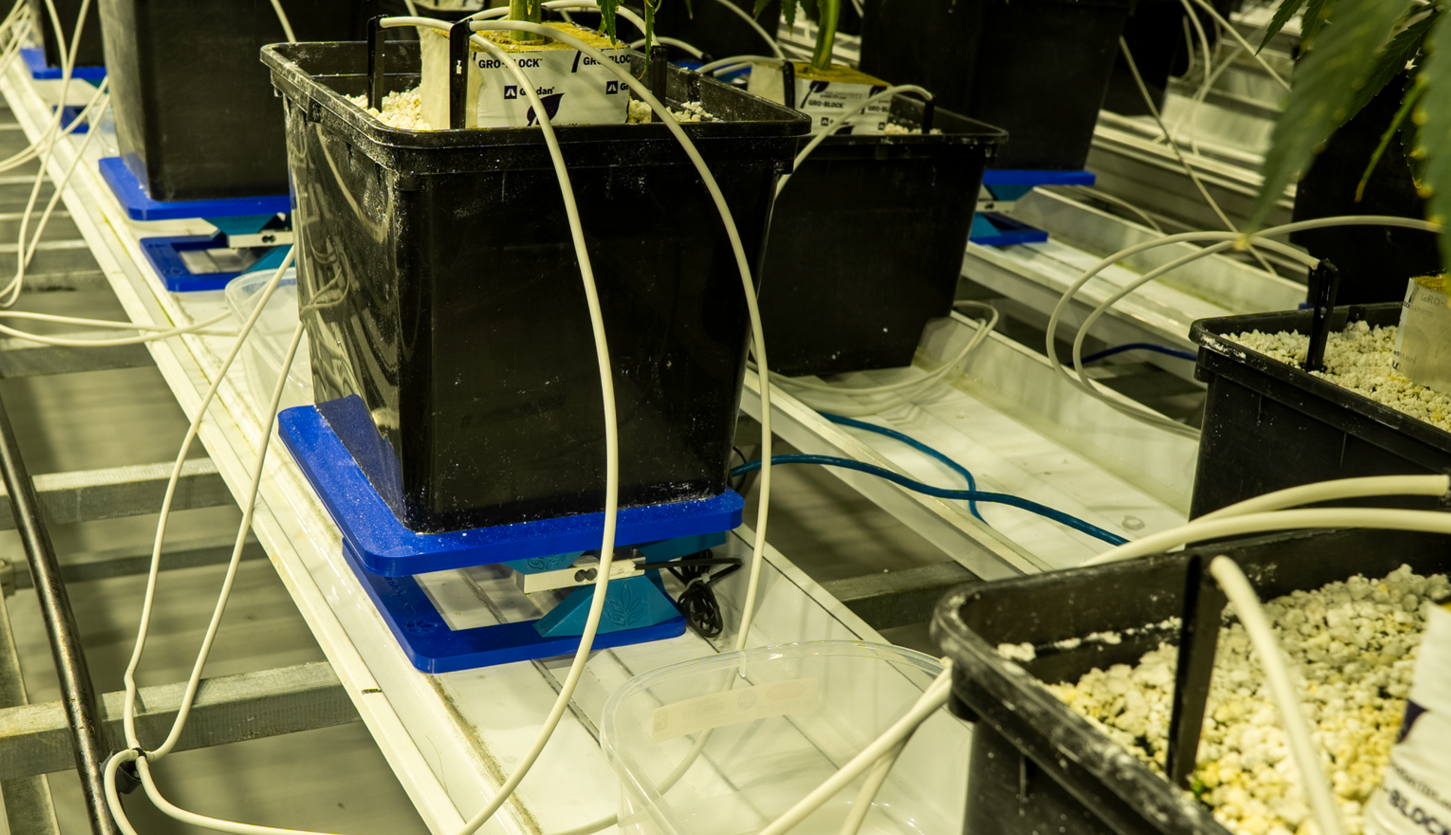
Cannabis is grown indoors, in a fully controlled and enclosed environment. Every day, according to the characteristics of each strain, we adjust the light and humidity, prune the plants, monitor their size, and protect them from pests. Every factor that can influence growth is carefully managed to recreate optimal conditions, shielded from the uncertainties of the weather.
This type of agriculture applies as much to fruits and vegetables as it does to specialized crops like cannabis.
Different rules, the same agricultural reality
In Quebec, cannabis has established itself as a genuine agricultural crop. The UPA (Union des producteurs agricoles) recognizes it as a well-established sector, integrated into the agri-food economy since its legalization in 2018.
In 2024, cannabis cultivation generated 337 million dollars in agricultural revenue, ranking fifth after corn, soy, maple products, and field-grown vegetables. These figures not only reflect economic performance but also attest to cannabis’s tangible presence in Quebec’s agricultural landscape.
Strict regulations
Although cannabis is now recognized as a fully-fledged agricultural crop, it remains subject to strict regulatory requirements, overseen by Health Canada to ensure the quality, traceability, and safety of the products. Inspectors monitor facility compliance, review internal documents and procedures, observe the production process, and conduct tests on plants and finished products to ensure that every step meets established standards.
At Origine Nature, these regulations guide every action and decision, ensuring a product that is safe, reliable, and true to our expertise.
Environmental challenges
In terms of the environment, legal cannabis cultivation in Quebec is subject to strict standards. Producers must meet high requirements, just like other regulated agricultural sectors. Efforts focus on optimizing resources, reducing environmental impact, promoting local expertise, and ensuring transparency in farming practices. In practical terms, this includes using recyclable packaging, composting stems, leaves, and roots, adopting more efficient LED lighting, implementing specialized irrigation systems to reduce water consumption, and more.
This approach helps normalize cannabis as a responsible agricultural crop, fully integrated into Quebec’s agri-food ecosystem.
Conclusion
In Quebec, cannabis is a real and modern crop, integrated into today’s farms, facing the same challenges, meeting the same requirements, and contributing economically on a level comparable to other major crops in the province. It is therefore important to shift our perspective and recognize cannabis for what it truly is: a plant cultivated with precise and rigorous agricultural practices.